







5 min read How to Hire a Freelance Logo Designer: A Step-by-Step Guide
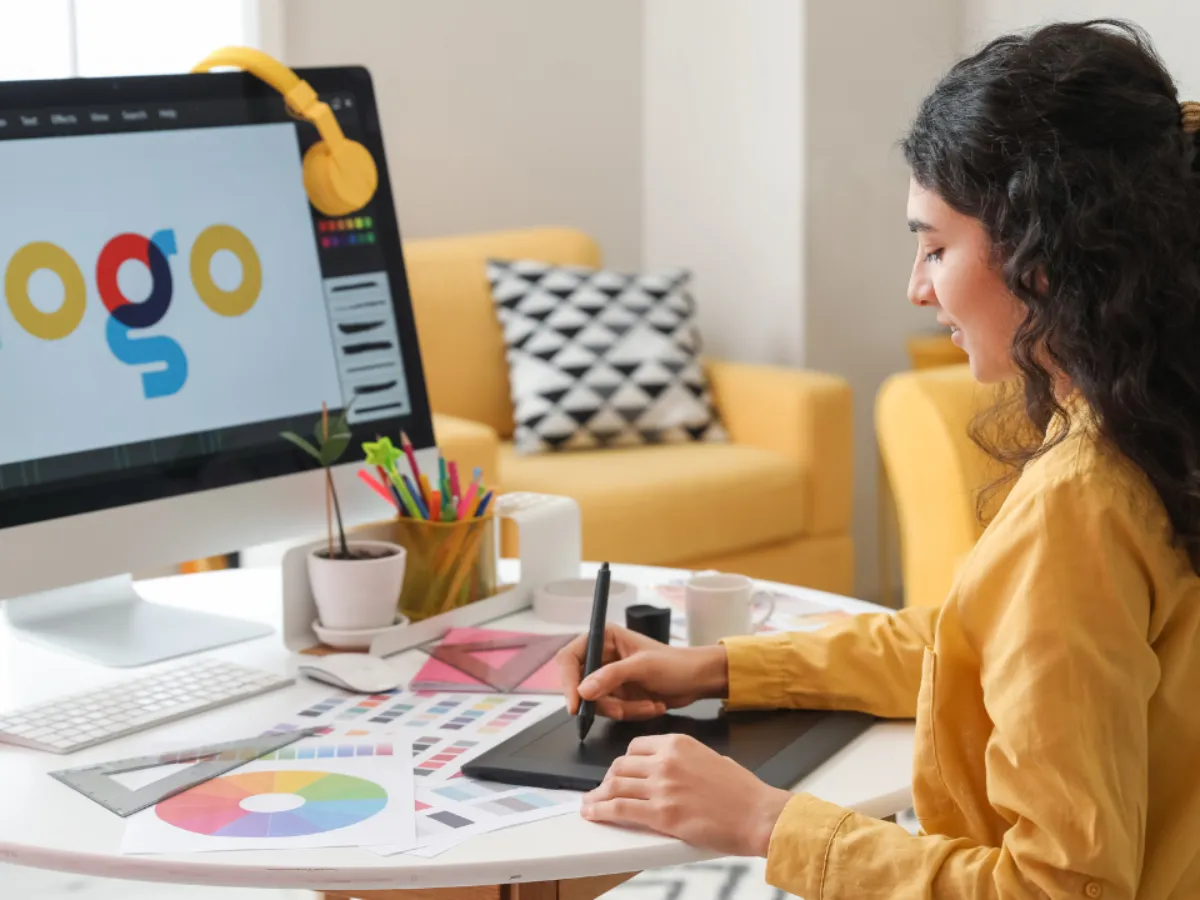
How to Hire a Freelance Logo Designer: A Step-by-Step Guide
Your logo is often the very first thing a customer sees. It sets the tone for your entire brand — communicating your values, your industry, and your personality in a single visual mark. Getting it right matters. The good news is that hiring a freelance logo designer has never been more accessible or affordable, and with the right approach, you can find a skilled professional who delivers exactly what your brand needs.
This guide walks you through the entire process — from defining what you want to reviewing final files — so you can hire with confidence.
Step 1: Define Your Brand Before You Brief a Designer
The biggest mistake businesses make when hiring a logo designer is approaching them without a clear sense of their own brand identity. A designer cannot read your mind. The clearer you are, the better the result.
Before reaching out to anyone, spend time answering these questions:
- What industry are you in, and who is your target customer?
- What three words would you use to describe your brand personality? (e.g., modern, trustworthy, playful)
- Do you have color preferences or colors to avoid?
- Are there logos you admire — in your industry or outside it — and why?
- Will the logo appear primarily on digital platforms, physical products, signage, or all three?
Your answers become the foundation of your design brief, which is the single most important document in the hiring process.
Step 2: Understand the Types of Logo Design
Not all logos are the same, and knowing the difference helps you brief your designer accurately.
Wordmark (logotype): The brand name is styled as the logo itself. Think of Google or FedEx. Works well when your brand name is short, distinctive, and memorable.
Lettermark (monogram): Uses initials rather than the full name — IBM, H&M, CNN. Ideal for companies with longer names.
Icon or symbol: A standalone graphic mark, like the Apple logo or Twitter bird. These take time to build recognition but are highly versatile once established.
Combination mark: A symbol paired with a wordmark — the most common choice for new and growing brands because it gives you both a recognizable icon and a readable name.
Emblem: Text enclosed within a shape or badge, common in education, government, and food and beverage brands.
For most small businesses and startups, a combination mark is the safest and most flexible starting point.
Step 3: Set a Realistic Budget
Freelance logo design pricing varies significantly based on experience, deliverables, and the platform you use. Here is a general guide for 2026:
Designer Level Price Range Beginner (student / entry-level) $20 – $80 Intermediate (2–5 years experience) $80 – $300 Senior / specialist $300 – $1,000+ Premium branding agency $2,000 – $10,000+ For most startups and small businesses, an intermediate-level freelance designer on a marketplace like Worksharex delivers strong, professional results in the $80–$250 range. At this level, you get custom design (not template-based), multiple concepts to choose from, revision rounds, and full source files.
Avoid the temptation to go with the absolute lowest price. A $5 logo is almost always a pre-made template with your name dropped in — not original work, and often not legally yours to trademark.
Step 4: Write a Strong Design Brief
A design brief is a short document that tells the designer everything they need to know before they start. A well-written brief saves time, reduces revisions, and dramatically improves the quality of what you receive.
Your brief should include:
Company overview: What your business does, who it serves, and what makes it different.
Brand personality: Three to five adjectives that describe the feeling the logo should convey (e.g., professional, innovative, warm, bold).
Target audience: Age range, lifestyle, preferences. A logo for a children's education brand should feel very different from one for a B2B cybersecurity firm.
Style direction: Modern and minimalist? Classic and detailed? Geometric? Organic? Reference logos you like and explain specifically what appeals to you about them.
Color direction: Preferred colors, colors to avoid, and whether you need to align with existing brand colors.
Deliverables needed: Final logo files in AI, EPS, SVG, PNG, and JPEG formats. Request both full-color and single-color (black and white) versions.
Timeline: When do you need the final files?
Revision policy: Confirm how many revision rounds are included before agreeing to the project.
Step 5: Find the Right Freelance Logo Designer
There are several ways to find a freelance logo designer:
Freelance marketplaces are the fastest and most transparent option. Platforms like Worksharex let you browse designer portfolios, read verified reviews, compare pricing, and communicate directly — all in one place. This is the recommended starting point for most businesses, particularly those hiring a logo designer for the first time.
Design contest platforms invite multiple designers to submit concepts, and you choose the winner. This gives you variety but requires you to pay upfront and provides no guarantee of quality.
Referrals and LinkedIn work well if you already know someone in your network who has had a great logo designed. Ask for the designer's contact and review their portfolio before committing.
For businesses that need a logo quickly and want a straightforward process with clear pricing, a marketplace is almost always the right choice.
Step 6: Evaluate Portfolios Carefully
Once you have identified two or three candidates, spend time studying their portfolios before making contact.
Look for the following:
Diversity of style. A strong designer can adapt to different briefs — playful and serious, modern and classic. A portfolio with only one visual style suggests limited range.
Relevance to your industry. If a designer has done work for businesses similar to yours, they already understand the visual conventions of your market.
Quality of typography. Logo design is as much about type as it is about icons. Poor letterforms or inconsistent spacing are red flags regardless of how attractive the overall concept looks.
Presentation quality. Designers who present their work in context — on a business card, a storefront, a t-shirt — are showing you how the logo performs in the real world. This level of professionalism usually translates to the work itself.
Step 7: Communicate Clearly During the Project
Once the project begins, clear and specific feedback is your most valuable contribution.
When reviewing concepts, refer to specific elements rather than making general statements. "The font feels too playful for our industry — can we try something more geometric and clean?" is far more useful than "I don't really like it." Designers can work with specific direction; they cannot work with vague dissatisfaction.
A standard logo project involves:
- Designer reviews brief and asks clarifying questions
- First round of concepts delivered (typically 2–4 options)
- You provide written feedback with specific revision requests
- Revised version delivered
- Final adjustments and file delivery
Most quality designers include two to three revision rounds. Use them thoughtfully.
Step 8: Confirm File Formats and Ownership Before Closing
Before marking the project complete, confirm you have received the following:
Source files: AI (Adobe Illustrator) or EPS files are the master files your designer worked in. You need these for future modifications and for professional printing. Never accept a project as complete without them.
Export formats: PNG (transparent background) for digital use, JPEG for general use, SVG for websites and scalable applications.
Color variations: Full-color, single-color, reversed (white on dark background) versions.
Copyright transfer: Confirm in writing that full ownership of the logo design transfers to you upon payment. On reputable marketplaces this is standard policy, but it is always worth confirming.
Final Thoughts
Hiring a freelance logo designer does not have to be complicated or expensive. With a clear brief, a realistic budget, and a careful portfolio review, you can find a skilled professional who creates a logo that genuinely represents your brand.
The key is to invest time at the beginning — defining your brand, writing a strong brief, and choosing the right designer — so the design process itself is smooth and the result is something you are proud to put on every piece of your business.
Ready to get started? Browse freelance logo designers on Worksharex and find the right professional for your brand today.
Published by the Worksharex editorial team. Last updated: May 2026.